The Complete Guide to Preventing Water Pooling on Flat Roofs
If you own a commercial property or a home with a flat roof addition in Monroe County, you know that our weather does not mess around. From heavy spring rainstorms to intense Nor'easter systems that bring driving wind and heavy snow, your roof takes a consistent beating throughout the year. While flat roofs offer excellent space utilization, easy maintenance access, and great energy efficiency, they are inherently susceptible to one major issue: water pooling.
Water pooling, commonly referred to in the roofing industry as "ponding," occurs when water remains on a flat roof for more than 48 hours after a period of precipitation. While a small amount of moisture immediately following a storm is normal, persistent standing water can lead to significant structural damage, premature aging of roofing materials, and severe leaks that disrupt your business or daily life.
At Family Restoration Home Improvement, Inc, we treat every roofing project with the same care and attention as if it were our own home. In this guide, we will walk you through what causes these drainage issues, how to spot the early warning signs, and the best ways to ensure your flat roof stays dry, functional, and durable for decades to come.
Identifying the Problem: Signs of Ponding Water on EPDM Membrane
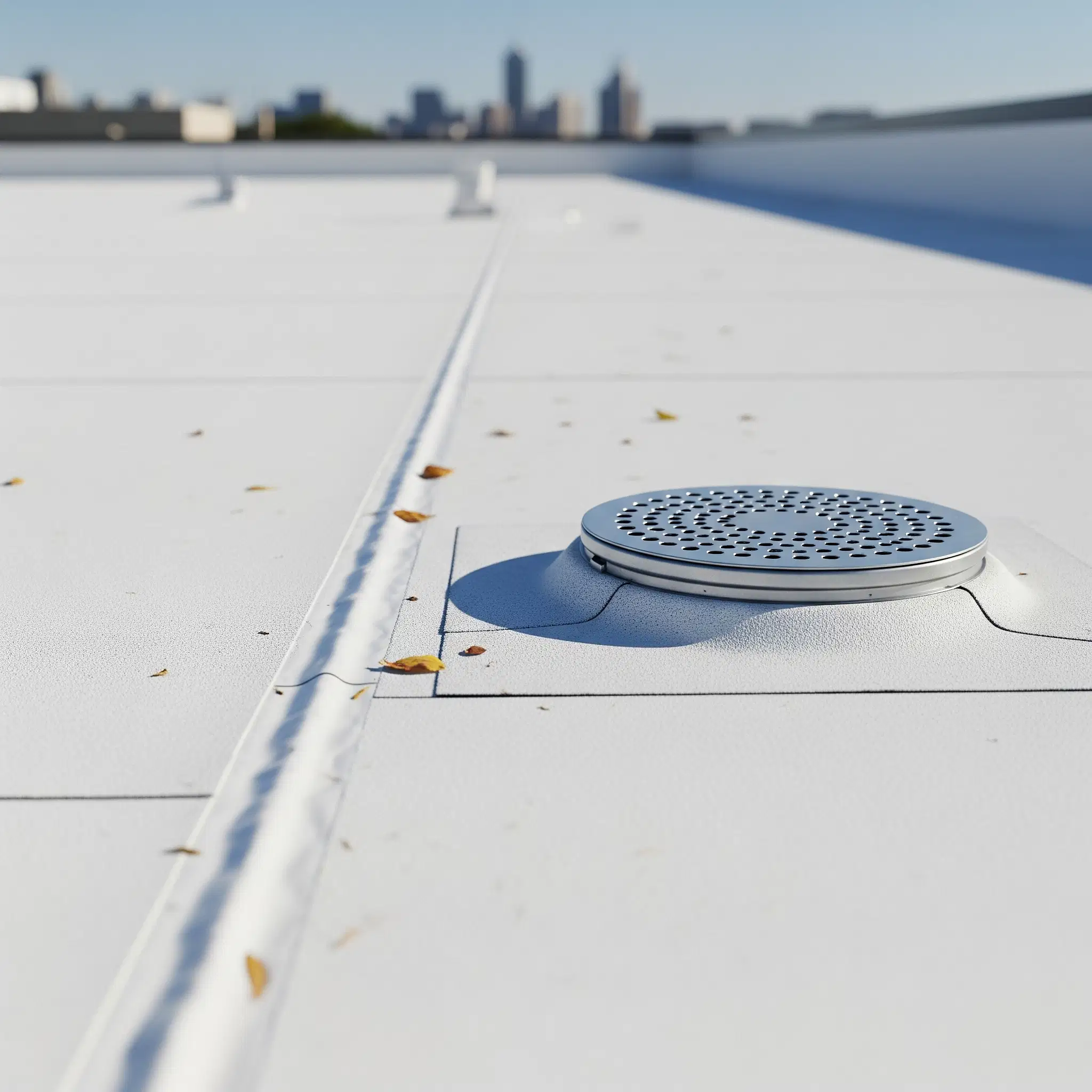
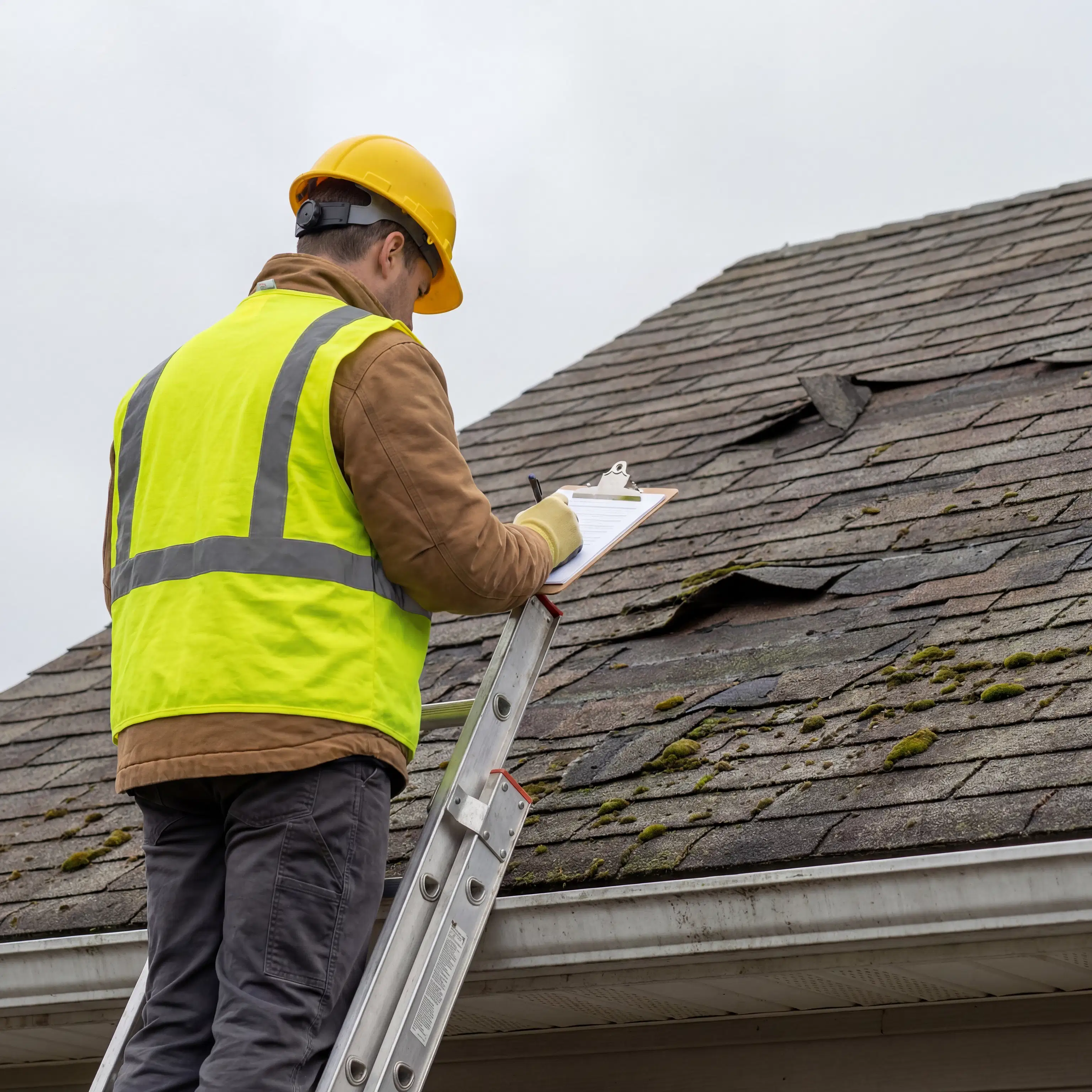
Many flat roofs in our area utilize durable rubber materials. If you have this type of roof, recognizing the early signs of ponding water on EPDM membrane is critical for preventing costly emergency repairs. Because flat roofs lack the steep slope of traditional residential structures, even a slight depression in the roof deck can become a gathering place for rainwater and melting snow.
One of the most obvious indicators of a ponding problem is a visible dirt ring. When standing water eventually evaporates, it leaves behind a concentric ring of dirt, mud, and debris. If you are conducting a routine visual inspection and notice these dark circles on your membrane, it is a clear sign that water is sitting for far too long.
Another indicator is a change in the membrane's texture or color. Persistent moisture can cause the EPDM rubber to lose its elasticity, leading to cracking, bubbling, or peeling at the seams. Additionally, if you notice localized sagging in your roof deck, the structural integrity of the roof may already be compromised by the sheer weight of standing water. Remember, water weighs over eight pounds per gallon; a small area of ponding water can add hundreds of pounds of unintended stress to your roof's underlying structure.
Finally, keep an eye out for increased biological growth. Algae, mold, and unexpected vegetation thriving on your roof are surefire signs of chronic moisture buildup.
Commercial Flat Roof Drainage Solutions
Understanding how to prevent flat roof standing water is essential for protecting your property investment. Fortunately, modern roofing technology provides several highly effective commercial flat roof drainage solutions that can be customized to your building's specific architecture.
1. Tapered Insulation Systems The most effective way to eliminate ponding is to ensure the roof is not entirely flat. A tapered insulation system creates a subtle, precise slope across the surface of the roof deck, directing water strictly toward the designated drainage points. This not only solves standing water issues but also dramatically improves your building's thermal efficiency.
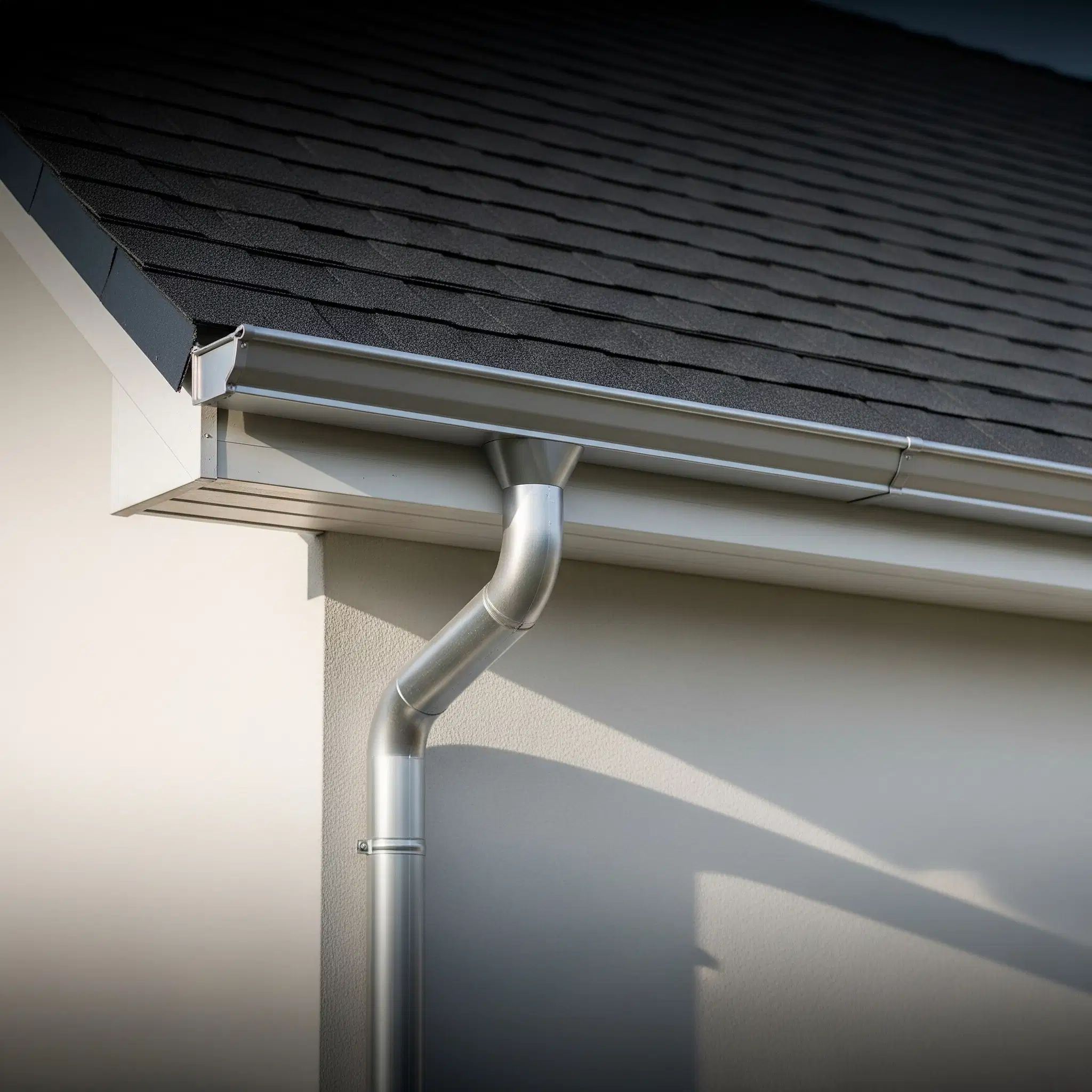
2. Upgrading Gutters and Scuppers Water needs a clear, unobstructed path to exit the roof. If your edge drainage is insufficient or clogged, water will naturally back up onto the membrane. Upgrading your gutters and downspouts to accommodate the high volume of water seen during heavy Pennsylvania storms is a simple but incredibly effective preventative measure. Scuppers—which are essentially openings in the parapet walls—must also be kept clear of leaves, twigs, and ice to allow water to drain into the downspouts freely.
3. Internal Drains For larger commercial structures, edge drainage is not enough. Strategically placed internal drains at the lowest points of the roof pull water down through the interior plumbing of the building. To prevent these from becoming blocked, proper drain strainers must be installed and regularly maintained.
4. Regular Maintenance to Prevent Ice Damming During the harsh winter months, freeze-thaw cycles can cause ice damming around your drainage points. When ice blocks the scuppers or gutters, melting snow has nowhere to go, leading to severe winter ponding. Routine fall maintenance and the installation of proper winterization tools ensure your drainage systems remain open year-round.
Trust Family Restoration Home Improvement, Inc for Your Roofing Needs
Preventing water from accumulating on your flat roof requires a combination of smart design, high-quality materials, and expert installation. By keeping a watchful eye for the warning signs and investing in proper drainage infrastructure, you can extend the life of your roof and avoid the headaches of structural water damage.
At Family Restoration Home Improvement, Inc, our family-owned team takes pride in offering no-shortcut, transparent roofing services. From precise EPDM roofing installations to comprehensive storm damage assessments, we make you our number one priority. We take the time to thoroughly explain our findings and provide solutions that offer true, long-lasting value.
If you are concerned about poor drainage or aging materials on your flat roof, do not wait for a leak to disrupt your life. Reach out to our experienced team today by visiting our contact us page to schedule your comprehensive roof evaluation.