
Identifying Hidden Roof Damage After Summer Thunderstorms
Summer in Pennsylvania brings beautiful green landscapes and warm weather, but it also ushers in sudden, severe thunderstorms. When the wind howls, hail falls, and the rain pours, your roof serves as your home's primary line of defense. While a massive branch through the attic or a completely missing patch of shingles is obvious to anyone, much of the destruction left behind by a severe storm is entirely invisible from the ground.
If left unchecked, these hidden issues can lead to costly water damage, compromised structural integrity, and a massive headache for homeowners. Modern homeowners expect fast, accurate assessments, which is why utilizing advanced techniques like drone-based roof inspections has become so important for safely and accurately diagnosing these hidden issues.
Understanding what happens to your exterior during a severe weather event is the first step in protecting your investment. Let's explore the subtle signs of roof damage after a storm and what you can do to address them before they escalate into major emergencies.
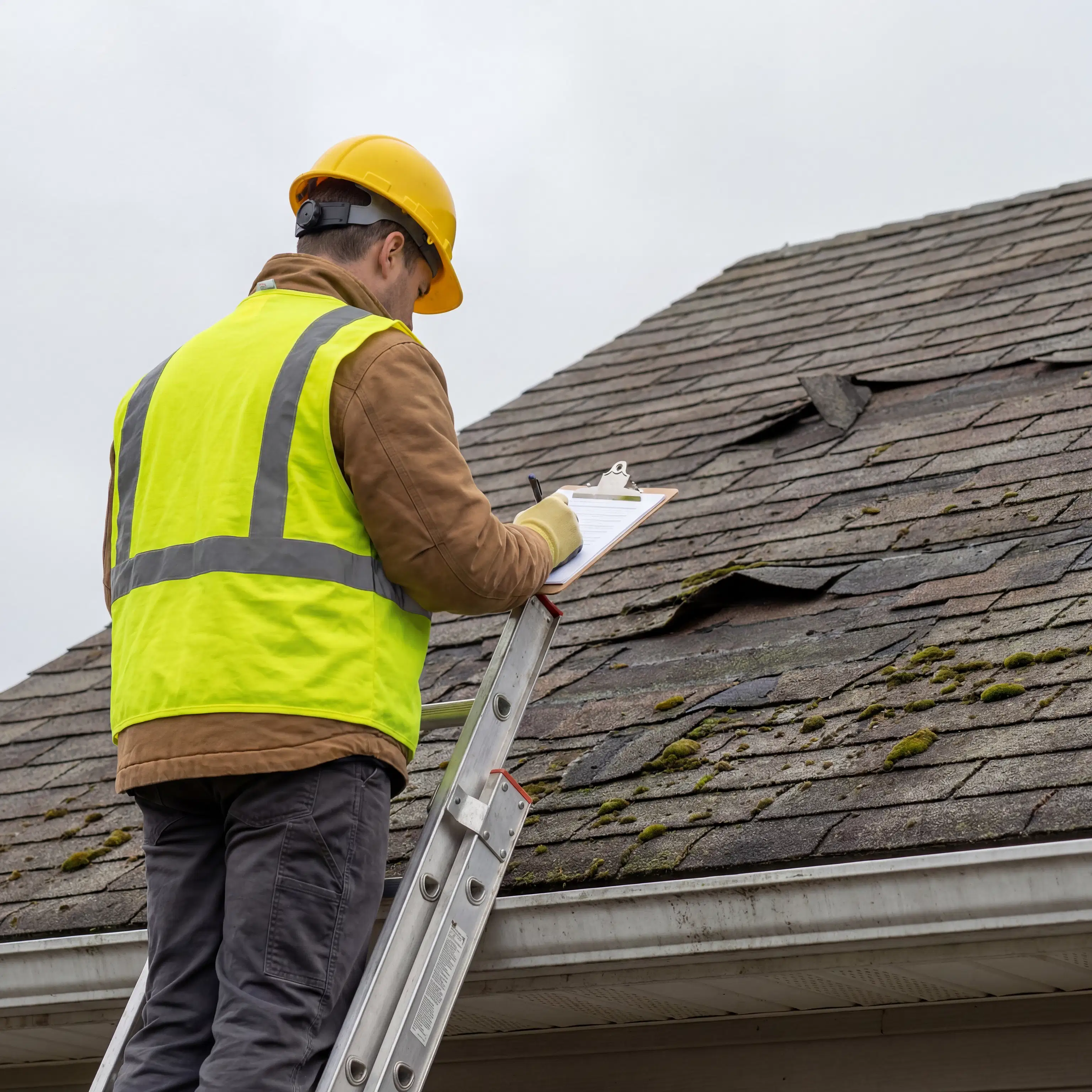
Subtle Signs of Shingle and Structural Damage
After a heavy storm passes, it is always a good idea to walk around your property and perform a visual inspection from the ground. You should never climb onto a wet or damaged roof yourself, but there are plenty of clues you can spot from the safety of your driveway.
One of the most common but overlooked issues is granule loss. Asphalt shingles are coated with small, sand-like granules that protect the underlying asphalt from the sun's UV rays and provide fire resistance. Heavy rain and hail can strip these granules away. If you notice bald spots on your shingles or find a heavy accumulation of coarse, dark sand at the bottom of your downspouts, your roof's lifespan has likely been compromised.
Wind damage is another silent threat. High winds can break the adhesive seal that holds your shingles down. Even if the shingle hasn't blown off completely, a broken seal allows wind-driven rain to push underneath the roofing material and soak the wooden deck below. Over time, this trapped moisture leads to rot and interior leaks.
How to Spot Skylight Leaks
Skylights are a beautiful addition to any home, flooding interior spaces with natural light. However, they are inherently vulnerable during extreme weather. Knowing how to spot skylight leaks early can save your drywall and flooring from significant water damage.
During a storm, hail can crack the glass or polycarbonate dome of the skylight, but the most common failure point is actually the flashing—the metal pieces that seal the gap between the skylight frame and the roofing shingles. High winds can bend or lift this flashing, while heavy rain can exploit any dried-out or cracked sealant.
After a storm, check the ceiling around your skylight for bubbling paint, yellow or brown water stains, or damp spots. You might also notice condensation building up between the panes of glass, which indicates that the weather seal has been broken. If you suspect an issue, having a professional evaluate your skylights is crucial to ensure the flashing is properly integrated with your roofing system.
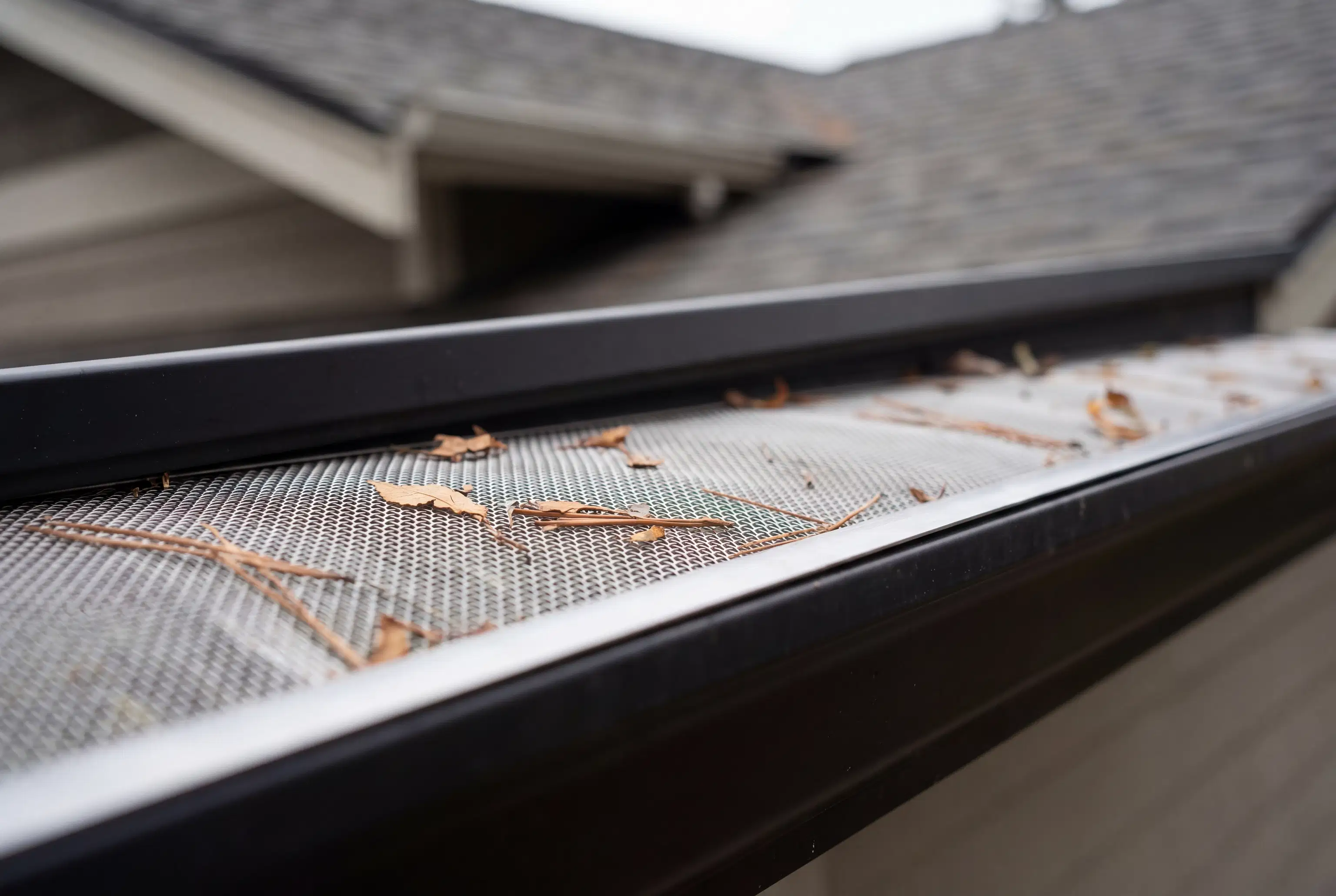
Inspecting Gutters for Storm Debris
Your roof and your drainage system work together as a unified team. When a summer storm rolls through, high winds inevitably blow leaves, twigs, pine needles, and other debris across your roof and directly into your drainage channels.
Inspecting gutters for storm debris is a critical post-storm maintenance task. When gutters become clogged, rainwater has nowhere to go. During a torrential downpour, this water will quickly fill the gutter trough and back up under the edge of your roof shingles, rotting the fascia board and potentially leaking into your exterior walls.
Furthermore, leaving this debris in place sets the stage for severe problems later in the year. When winter arrives, trapped water in clogged gutters freezes, contributing to severe ice damming—a common issue in our region that forces melting snow under your shingles. Ensuring your gutters and downspouts are clear and securely fastened after a summer storm is essential for year-round protection.
Your Emergency Roof Leak Repair Guide
If you do discover water entering your home, acting quickly is vital. An emergency roof leak repair guide always starts with one rule: contain the interior damage first. Move furniture, lay down tarps, and place buckets under the active drip. Puncturing a small hole in the center of a bulging ceiling can actually help drain the water in a controlled manner, preventing the entire drywall panel from collapsing.
Once the interior is secured, it is time to call in the professionals. Attempting to patch a wet roof yourself is incredibly dangerous and often ineffective. A qualified local contractor will have the tools and materials to safely tarp the damaged area, stopping the water intrusion until a permanent repair or replacement can be scheduled.
Navigating the Insurance Claim Process
Dealing with storm damage is stressful enough without having to fight with your insurance company. If your property has suffered significant wind or hail damage, you shouldn't have to navigate the complex claims process alone.
Our approach to storm damage is designed to take the burden off your shoulders. The process begins with a comprehensive inspection, followed by detailed photo documentation. We explain the findings to you clearly, so you know exactly what is happening above your head.
More importantly, we provide dedicated insurance claim assistance. A representative from our team will actually attend the insurance adjuster's inspection at your home. We advocate on your behalf, answer technical questions, and ensure all damage is properly documented so you get the coverage you deserve. If additional hidden damage, such as compromised decking, is discovered during the repair process, we immediately document it and submit a supplement to the adjuster.
Protecting Your Home for the Long Haul
Summer thunderstorms are a fact of life, but living with the anxiety of a compromised roof doesn't have to be. By staying vigilant and knowing what signs to look for, you can catch minor issues before they require major structural repairs.
At Family Restoration Home Improvement, Inc, we treat every project with the same care and attention as if it were our own home. We believe in doing things right the first time, with no shortcuts. That is why we proudly install reliable GAF materials, backed by robust manufacturer warranties, and stand behind our own workmanship with a 10-year labor warranty.
If you suspect a recent storm has left its mark on your property, don't wait for the next heavy rain to find out for sure. Reach out to us today for a thorough, honest inspection in Stroudsburg and the surrounding Monroe County area. Visit our contact us page to schedule your consultation and secure your home's first line of defense.